Best Ways to Recover from Deep Muscle Soreness
Proven Methods to Efficiently Recover from Deep Muscle Soreness
Introduction
What are the Best Ways to Recover from Deep Muscle Soreness? Many fitness enthusiasts, from the average gym-goer to the competitive athlete, struggle with muscle soreness after tough workouts. This deep muscle soreness – often referred to as delayed onset muscle soreness (DOMS)- which peaks a day or two after exercise, can leave you stiff, fatigued, and wondering how to speed up recovery. In this article, we explore the best evidence-backed recovery methods and compare how they apply to average fitness enthusiasts versus competitive athletes. We will look at optimal recovery strategies supported by scientific studies, highlight accessible alternatives for the everyday exerciser, and identify the similarities and differences in recovery needs between recreational and elite athletes. By the end, you’ll have a clear roadmap of the best ways to recover from deep muscle soreness for your level of training.
Understanding Deep Muscle Soreness and Recovery Basics
Deep muscle soreness (DOMS) is the achy, tender feeling you get in muscles 24–72 hours after unfamiliar or intense exercise. It results from microscopic muscle fiber damage and inflammation caused by strenuous workouts pmc.ncbi.nlm.nih.gov. This process is normal – it’s how muscles adapt and grow stronger. However, too much soreness can hinder your next training session or daily activities. Proper recovery is essential to repair those muscle fibers, reduce inflammation, and restore performance pmc.ncbi.nlm.nih.gov. Recovery isn’t just about feeling less pain; it’s when your muscles rebuild and get stronger. As one expert puts it, “Recovery is where the magic happens… Sleep is the greatest legal performance-enhancing drug that most people are neglecting.”vailhealth.orgvailhealth.org. In other words, gains are made not only in the gym but also during rest.
Key principles of muscle recovery apply to everyone, whether you’re a casual exerciser or a pro athlete. These fundamentals include adequate rest (time off and quality sleep), good nutrition and hydration, and techniques to reduce soreness and fatigue (like light activity or massage). Even though all people need these basics, competitive athletes often require a more rigorous and varied recovery routine due to higher training loads sciencedirect.comresearchgate.net. In fact, studies show elite athletes tend to use many more recovery methods (around 8 on average) compared to recreational athletes (around 3) sciencedirect.com. The core difference is often scale: an average fitness enthusiast might exercise 3–5 times a week and can recover with simple methods,while a competitive athlete trains almost daily (or twice a day) and leverages every tool possible to speed recovery.
Before diving into specific tactics for each group, remember that the fundamentals should come first. Modern recovery gadgets and supplements abound, but research cautions not to overlook the “old school” basics. A 2023 review noted that athletes often get distracted by fancy recovery devices and forget proven strategies like sleep and proper nutrition pmc.ncbi.nlm.nih.gov. Ultimately, the best ways to recover from deep muscle soreness combine solid fundamentals with appropriate additional methods suited to one’s level. Let’s examine how this plays out for average enthusiasts versus competitive athletes.
Recovery Methods for Average Fitness Enthusiasts
Average fitness enthusiasts (recreational athletes, gym regulars, weekend warriors, etc.) typically engage in moderate training volumes. You might lift weights, attend fitness classes, or do cardio several times a week. Soreness can strike if you try a new workout, increase intensity, or simply push your limits. The good news is that recovering from deep muscle soreness doesn’t require expensive equipment or complex protocols for the average person. Here we outline optimal recovery methods – backed by science – and accessible alternatives that anyone can try:
1. Prioritize Rest and Quality Sleep
For any exerciser, rest is the simplest and most important recovery method. This means scheduling rest days after intense workouts and ensuring you get enough sleep at night. During rest, your body repairs muscle fibers and reduces the inflammation that contributes to sorenesspmc.ncbi.nlm.nih.govpmc.ncbi.nlm.nih.gov. In fact, sleep is often called the ultimate recovery tool. During deep sleep stages, the body releases growth hormone which stimulates muscle repair and growth vailhealth.org. Skimping on sleep can disrupt these hormonal balances, slowing down recovery and even weakening your immune system vailhealth.org.
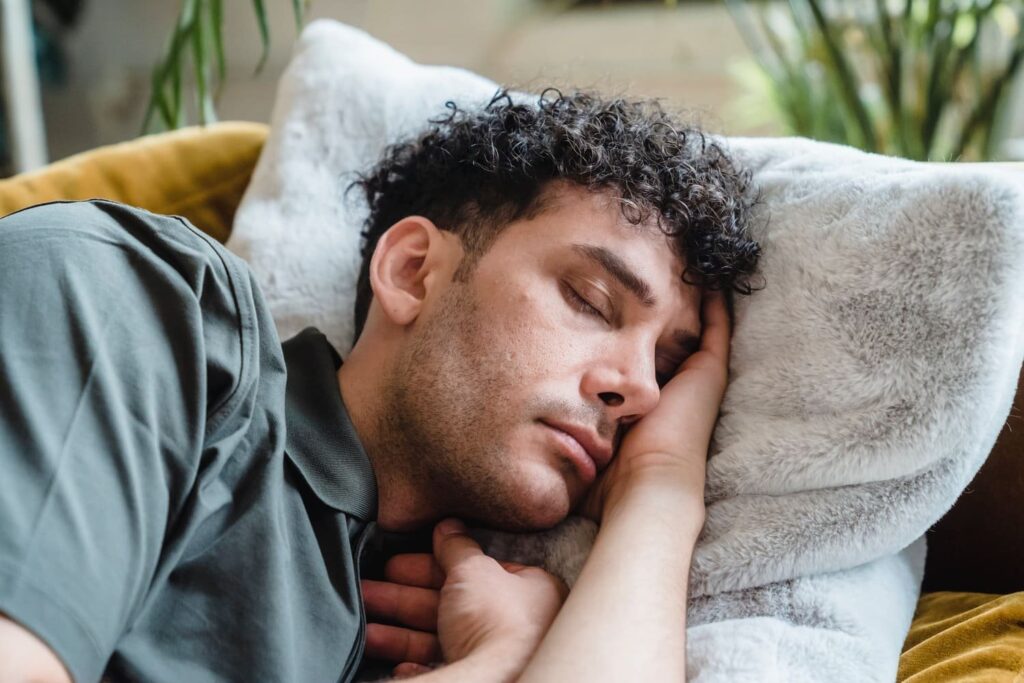
Average fitness enthusiasts should aim for 7–9 hours of sleep per night for optimal recovery vailhealth.org. Consistency helps – going to bed and waking up around the same time each day supports better sleep quality. If your schedule is busy, remember that even an extra hour of sleep can make a difference in how sore you feel. One sports health expert noted, “Sleep is your ultimate recovery tool. During deep sleep, your body releases growth hormones essential for muscle repair and regeneration.” vailhealth.org. In practical terms, this means an extra hour of sleep might heal your muscles more than an extra hour in the gym would build them.
On particularly tough training weeks, don’t hesitate to add an extra rest day. Muscles need 48+ hours to fully recover from heavy strength training. Taking a day off or focusing on a different muscle group is a smart way to avoid excessive soreness and injury. Listening to your body is key – if you’re very sore, it’s okay to back off and rest. Your muscles will come back stronger after adequate downtime.
2. Balanced Nutrition and Hydration
Nutrition plays a vital role in muscle recovery for the average athlete. After exercise, your muscle fibers are like a construction zone – they need raw materials to rebuild. The two main nutritional components to focus on are protein and carbohydrates:

- Protein provides amino acids to repair and build muscle tissue. Without enough protein, your body can’t effectively fix the microscopic tears that cause muscle soreness. For active individuals, experts recommend a daily protein intake of about 1.2–2.0 grams per kilogram of body weight canr.msu.edu. This is higher than the 0.8 g/kg recommended for sedentary people, reflecting the increased needs for recovery. In practical terms, a 150 lb (68 kg) person should target ~80–136 grams of protein spread throughout the day. Consuming 15–25 grams of high-quality protein within 0–2 hours post-exercise can jump-start muscle protein synthesis (the rebuilding process) canr.msu.edu. For example, you might have a protein shake, a serving of Greek yogurt, or a meal with lean protein after your workout. Note: While protein is crucial for long-term recovery and adaptation, research has shown that simply downing extra protein right after a workout doesn’t magically erase next-day soreness. A study found no significant difference in muscle soreness or recovery rate between athletes who took high-protein drinks versus carbohydrate drinks after training health.harvard.edu. In other words, protein helps rebuild muscle, but it may not noticeably blunt the feeling of DOMS in the immediate days. Still, meeting protein needs is important to ensure your muscles have what they need to recover properly.
- Carbohydrates are the fuel that replenishes muscle glycogen (energy stores) depleted during exercise. Especially if you do endurance training or high-intensity workouts, restoring glycogen can help your muscles recover faster and reduce fatigue in subsequent sessions. Include quality carbs (fruits, whole grains, starchy veggies) in your post-workout meal along with protein. Carbs also trigger an insulin response that helps shuttle amino acids into muscles, indirectly aiding recovery.
In addition to protein and carbs, micronutrients and antioxidants from a varied diet (vegetables, fruits, nuts) support recovery. For instance, foods rich in omega-3 fatty acids (like salmon, chia seeds) have anti-inflammatory properties that may help reduce muscle soreness. Some athletes and enthusiasts swear by tart cherry juice or blueberries for their high antioxidant content. There is some scientific evidence behind this: tart cherry juice, for example, has been studied for its potential to reduce exercise-induced muscle pain and inflammation. In one randomized trial, runners who drank tart cherry juice for a week leading up to a long-distance relay race reported less post-run muscle pain compared to a placebo grouppmc.ncbi.nlm.nih.gov. The polyphenols and anthocyanins in tart cherries are thought to help reduce muscle damage and inflammation. While results are mixed across studies, incorporating natural anti-inflammatory foods (cherries, berries, turmeric, etc.) into your diet is a safe, accessible way that might ease soreness and improve recovery.
Hydration is another simple but vital aspect. Dehydration can worsen fatigue and hamper muscle repair, as muscles are ~75% water. After sweating during exercise, be sure to rehydrate with fluids and electrolytes. Water is usually sufficient for moderate workouts, but if you had a very intense or long session (especially in heat), you might consider a sports drink or adding electrolytes (sodium, potassium) to your water. Proper hydration ensures good circulation, which helps deliver nutrients to muscles and remove waste products. In surveys of athletes, rehydration is consistently rated as one of the most important recovery practices researchgate.net. Even for the average gym-goer, drinking enough fluids before and after exercise will help reduce cramps and support the recovery process.
3. Active Recovery (Light Movement)
Interestingly, recovery doesn’t always mean complete rest. Engaging in active recovery – gentle, low-intensity movement – on the day after a hard workout can alleviate soreness and stiffness. The idea of active recovery is to promote blood flow to muscles without adding stress, which helps flush out metabolic waste and deliver nutrients for repair pmc.ncbi.nlm.nih.gov. For an average fitness enthusiast, active recovery could be as simple as:
- A brisk walk or easy cycling for 20-30 minutes.
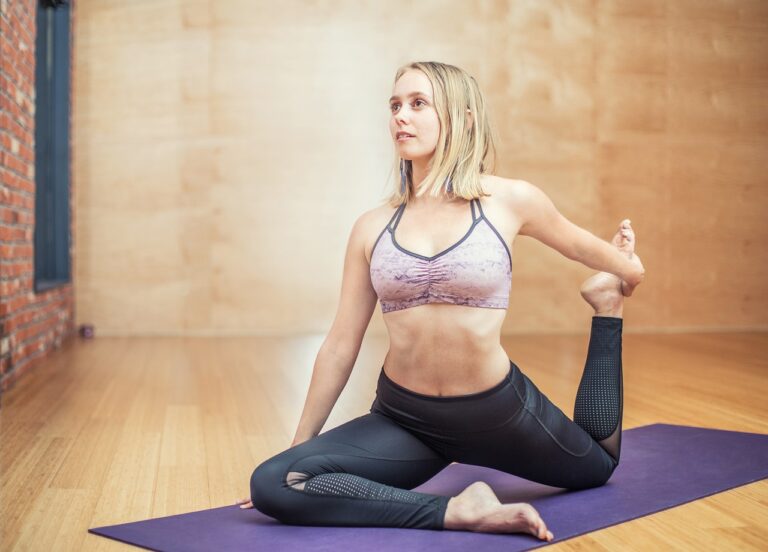
- Light yoga or a stretching routine focusing on major muscle groups.
- Easy lap swimming or water aerobics.
- Any low-intensity activity that gets you moving and warm, but doesn’t tax your muscles or leave you out of breath.

Scientific evidence supports the benefit of active recovery. Research has found that doing light exercise after intense training can reduce markers of muscle fatigue faster than complete inactivity pmc.ncbi.nlm.nih.gov. For example, one study noted that low-intensity cycling or walking helped remove lactate and could improve subsequent performance more than just sitting still pmc.ncbi.nlm.nih.govpmc.ncbi.nlm.nih.gov. Another meta-analysis concluded that active recovery leads to a small to moderate decrease in DOMS compared to passive rest pmc.ncbi.nlm.nih.gov.
For the average person, implementing active recovery is very accessible – it doesn’t require any special equipment, just the discipline to move when you might feel like lounging. On your rest days, consider taking a relaxed bike ride or a casual hike. If you’re sore from weightlifting, some light cardio and mobility exercises can actually make you feel better faster than parking on the couch. Active recovery also has mental benefits: it keeps you in the habit of exercise without overloading your system, and the movement can release endorphins that elevate your mood despite soreness.
4. Stretching and Flexibility Work
Stretching is often the go-to idea for relieving sore muscles. We’ve all seen people finish a workout and immediately stretch in hopes of preventing soreness. For average fitness folks, incorporating gentle stretching or flexibility workouts (like yoga classes) can help maintain range of motion and relieve muscle tightness as your muscles recover. For example, if your legs are sore from squats, doing some easy hamstring and quad stretches or a light yoga flow the next day can subjectively feel relieving and help you move better despite the soreness.
However, it’s important to set the right expectations: stretching does not actually “cure” muscle soreness in a significant way. Scientific studies have tested whether stretching can reduce DOMS and the consensus is that it has minimal impact on soreness intensity journals.lww.com. A clinical study concluded that a standard stretching routine, whether done before or after exercise, “does not reduce DOMS” (delayed soreness) compared to not stretching journals.lww.com. Similarly, a large review found that stretching typically makes only a tiny difference in muscle soreness (so small that you likely wouldn’t notice) pubmed.ncbi.nlm.nih.gov.
So why stretch at all? Even if stretching won’t eliminate soreness, it does help with flexibility and may reduce the feeling of tightness. It can also be relaxing and improve circulation slightly. For the average person, a short stretching session after a workout or on off-days can be part of a healthy routine – just remember it’s more for mobility and injury prevention than a direct soreness remedy. Focus on dynamic stretches (moving through comfortable ranges of motion) as part of your warm-up and static stretches (holding a position 20-30 seconds) after exercise or during cool-down. And if you enjoy yoga or Pilates, those activities incorporate stretching with movement, providing an active recovery element too.
In summary, do some gentle stretching because it feels good and keeps you limber, but don’t rely on it alone to banish deep muscle soreness. Pair it with the other methods (like active recovery and massage) for better results.
5. Massage and Self-Myofascial Release (Foam Rolling)
Massage therapy is a well-known recovery aid used by athletes worldwide – and for good reason. Massage helps reduce muscle tension, improves blood flow, and can physically flush out some inflammatory fluids from muscle tissue. For the average fitness enthusiast, getting a professional sports massage after a grueling week can significantly relieve soreness and tightness. Scientific evidence backs this up: a comprehensive meta-analysis of 99 studies found that massage was the single most powerful technique for reducing DOMS and fatigue after exercise pmc.ncbi.nlm.nih.govpmc.ncbi.nlm.nih.gov. It not only decreases soreness, but also lowers inflammation markers like IL-6 and C-reactive protein, indicating faster recovery on a cellular level. pmc.ncbi.nlm.nih.gov. If you have access to a massage therapist (for example, some gyms offer massage services, or you visit a clinic), it may be worth it after especially intense workouts or events. Even a 20–30 minute session focusing on the major sore spots can make a big difference in how quickly you bounce back.

That said, regular professional massages can be expensive or impractical for many average exercisers. Thankfully, self-myofascial release techniques provide an accessible alternative. The most popular tool here is the foam roller. Foam rolling is essentially a form of self-massage: you use your body weight on a foam cylinder to apply pressure to tight muscles and “knots.” This helps increase blood flow and can reduce the feeling of muscle adhesions or stiffness. Research has shown that foam rolling after exercise can effectively reduce muscle soreness and improve recovery. In one study, participants who foam-rolled after intense weight training had significantly less quadriceps muscle tenderness in the following days (with moderate to large reductions in pain) compared to those who did not foam roll pmc.ncbi.nlm.nih.govpmc.ncbi.nlm.nih.gov. They also performed better in subsequent athletic tests, suggesting foam rolling helped their muscles recover functional strength faster pmc.ncbi.nlm.nih.gov. The key seems to be using the foam roller not just immediately post-exercise but also in the day or two after – for example, a 20-minute foam rolling session right after your workout and again the next day.
Foam rollers and similar tools (like massage balls or sticks) are cheap, one-time investments that give you on-demand massage at home. As noted by researchers, “Self-massage through foam rolling could benefit athletes seeking a recovery modality that is relatively affordable, easy to perform, and time efficient.” pmc.ncbi.nlm.nih.gov. For an average fitness enthusiast, this is great news – you can mimic some benefits of a massage by spending a few minutes rolling out your legs, back, or whatever is sore. Many gyms also have foam rollers available for member use.
Other self-massage tools include massage guns (percussive therapy devices) and lacrosse balls for trigger points. Massage guns have become popular recently – they use rapid percussive pulses to stimulate muscle tissue. Athletes and everyday folks alike report they help relieve knots and soreness, though formal research on their effectiveness is still emerging (some evidence is positive but not as robust as for foam rolling) pmc.ncbi.nlm.nih.gov. If you have a massage gun or can borrow one, it can be a handy way to target a tight spot (like quads or calves) for a few minutes and reduce soreness. Just be cautious with pressure to avoid bruising, and don’t use it on injured or overly tender areas.
In summary, utilize massage in some form to aid recovery:
- If accessible, an occasional professional massage can significantly reduce deep muscle soreness pmc.ncbi.nlm.nih.gov.
- On a budget or daily basis, use foam rolling or massage tools as a DIY approach – science supports that it works to lessen DOMS and improve muscle function pmc.ncbi.nlm.nih.gov.
- Consistency helps: a brief session after your workout and another the next day can keep soreness manageable and short-lived.
6. Cold Therapy (Ice) and Heat Therapy
Applying temperature-based therapies is a classic approach to soothe sore muscles. Two common modalities are cold therapy (icing, cold water immersion) and heat therapy (hot baths, heating pads). How can average exercisers use these?
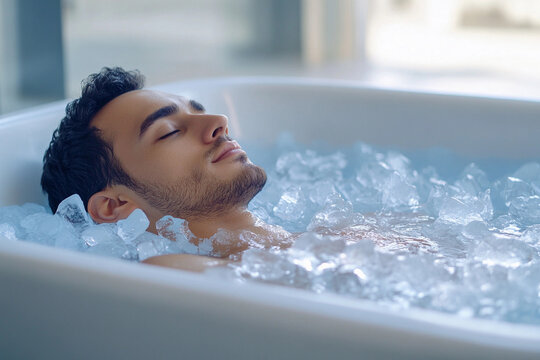
Cold Therapy: Right after intense exercise or when soreness is starting, cold can help reduce inflammation. Athletes often take ice baths post-competition, but you don’t need a full tub of ice at home to get benefits. Simpler methods like:
- Applying ice packs or a bag of frozen peas wrapped in a thin towel to particularly sore areas for 10-15 minutes at a time. This can numb some pain and limit swelling in the muscles.
- Taking a cold shower or contrast shower (alternating hot and cold water) after your workout. Even a cool water shower can have a mild anti-inflammatory effect and subjectively refresh your muscles.
There is solid evidence that cold water immersion (CWI) aids recovery. The meta-analysis cited earlier found that cold immersion and contrast water therapy led to small to large reductions in delayed onset muscle soreness (DOMS) after exercise (pmc.ncbi.nlm.nih.gov). Additionally, cold exposure, such as ice baths, was one of the most effective techniques for reducing muscle inflammation markers after exercise (pmc.ncbi.nlm.nih.gov). For the average person, if you have access to a pool, lake, or even a bathtub, soaking your lower body in cold water (around 50-60°F, 10-15°C) for 10 minutes after a tough workout can help decrease soreness the next day. If that’s too extreme, an ice massage (rubbing an ice cube on the muscle for a few minutes) or localized icing can still help.
Heat Therapy: On the other end, heat is more for comfort and increasing blood flow once the initial inflammation has subsided. A warm muscle is more relaxed and pliable. Common heat-based remedies include:
- A warm bath or an Epsom salt bath. Soaking in a hot bath can relax tight muscles and joints. Many people add Epsom salts (magnesium sulfate) to baths with the belief it reduces muscle soreness. While the research on Epsom salt baths is limited and mostly anecdotal (webmd.comdigital.library.txst.edu), a warm soak can subjectively ease soreness and help you relax (which indirectly aids recovery). The magnesium in Epsom salt might penetrate the skin a bit and help with muscle function, but even if not, the hot water increases circulation to aid recovery. As long as you stay hydrated, a 15-to 20-minute soak can be a nice, accessible treat for sore muscles.
- Use a heating pad or warm, moist towel on a stiff area for 10 minutes. This can loosen the muscle and make stretching or movement easier afterward.
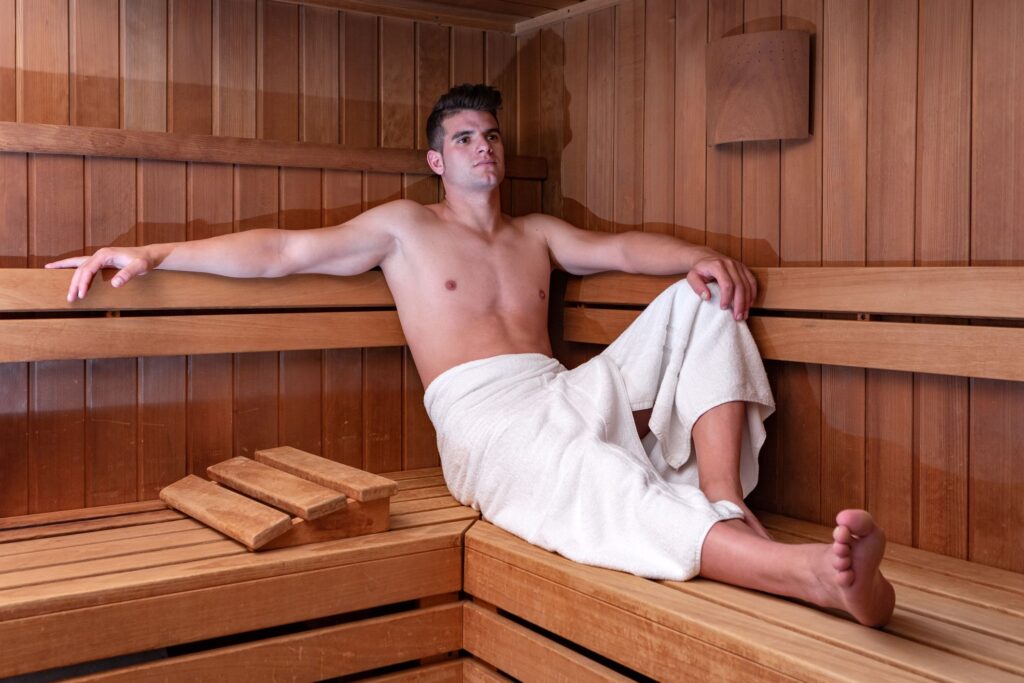
Some athletes swear by contrast therapy – alternating hot and cold. For example, you could switch between a hot tub and a cold plunge, or simply alternate hot and cold packs. The theory is that vasodilation (due to heat) and vasoconstriction (due to cold) work in succession to pump blood in and out, flushing waste. Research does show contrast water therapy provides a small benefit for DOMS (though slightly less consistent than pure cold immersion) (pmc.ncbi.nlm.nih.gov). For the average person, you can simulate this in a contrast shower: e.g., 1 minute of cold water, followed by 2 minutes of warm water, repeat a few cycles. It’s invigorating, and many feel it helps reduce soreness.
In practice, use cold shortly after exercise or when inflammation is highest (within the first 24 hours), and use heat a day or two later when you feel stiff and want to relax the muscle. Always protect your skin (avoid direct ice for too long and avoid temperatures that are too hot to burn). These home remedies are inexpensive and effective enough to be worth a try.
7. Affordable Accessible Aids and Remedies
Beyond the major categories above, a few other accessible methods can complement recovery for the average fitness enthusiast:
- Compression Clothing: You may have seen athletes wearing tight compression sleeves or leggings. These garments gently squeeze the muscles, which can help reduce swelling and improve blood circulation. Research indicates compression gear can modestly reduce muscle soreness and especially reduce perceived fatigue (pmc.ncbi.nlm.nih.govpmc.ncbi.nlm.nih.gov). While elite athletes might have fancy compression boots or full-body suits, an average person can benefit from basic compression socks, tights, or arm sleeves after a workout. Wearing them for a few hours post-exercise or during an overnight sleep might help your muscles feel less puffy and achy the next day. They are relatively inexpensive and easy to use. For example, after a long run, slipping on compression calf sleeves could help your calves recover faster and feel less sore.
- Over-the-counter (OTC) Pain Relief (Use Sparingly): If muscle soreness is really bothering you, typical pain relievers like ibuprofen or naproxen (NSAIDs) can reduce pain and inflammation. They can be a helpful occasional tool – for instance, if you need to be functional for work or an event and your legs are extremely sore, an NSAID can take the edge off. Studies show NSAIDs do reduce the sensation of soreness and even markers like creatine kinase after acute muscle injury (pubmed.ncbi.nlm.nih.govjournals.sagepub.com). However, be cautious: routine use of NSAIDs for workout recovery is not ideal, as some research suggests they might impair long-term muscle growth and repair by blocking certain inflammation signals needed for adaptation (bmj.com). In other words, popping ibuprofen after every gym session could lead to weaker muscle gains over time. It’s best to use such meds only when necessary (e.g., if soreness is truly limiting your movement or sleep), and not as a habitual recovery strategy. Focus on the other methods for regular recovery, and think of NSAIDs as a last resort for exceptional cases of soreness.
- Adequate Micronutrients: Ensure you’re getting enough vitamins and minerals that support muscle function. Low levels of vitamin D or magnesium, for example, can sometimes lead to muscle weakness or cramps. A daily multivitamin or diets rich in leafy greens, fruits, and nuts will cover these bases. While this isn’t a direct cure for DOMS, it sets the stage for optimal recovery.
- Relaxation and Sleep Hygiene: Reducing overall stress helps your body recover. Techniques like gentle breathing exercises, meditation, or a light bedtime stretch can improve your sleep quality, which, as we discussed, is paramount for muscle recovery. Also, avoid heavy alcohol intake after workouts – alcohol can worsen muscle damage and dehydrate you, delaying recovery.

In summary, the average fitness enthusiast’s recovery toolkit should start with good sleep, nutrition, and hydration habits, supplemented by active recovery and stretching, plus self-massage (foam rolling) and simple cold/heat treatments for soreness. These methods are low-cost or free and are supported by research to effectively manage muscle soreness. In the next section, we will see how these and additional methods come into play for competitive athletes, who often need to accelerate recovery even more due to their high training demands.